Chemistry Got You Together. Compatibility Keeps You Together.
The spark fades. What's left? The real stuff that predicts whether you'll make it.
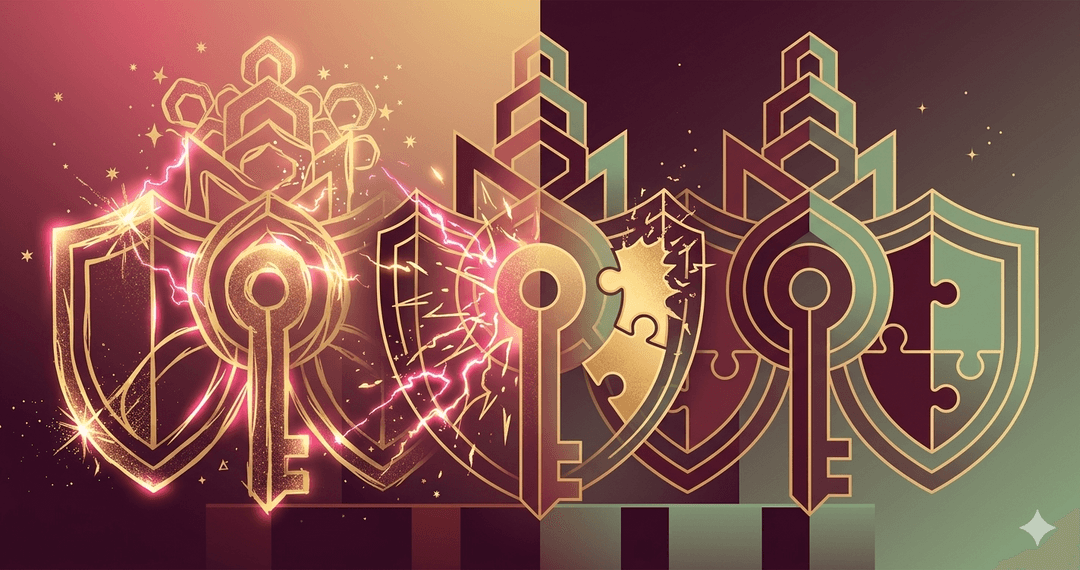
Chemistry Got You Together. Compatibility Keeps You Together.
You've felt it—that electric spark when you meet someone. Butterflies, effortless conversation, the whole thing. Then 18 months later you're fighting about whose turn it is to load the dishwasher. The spark didn't lie; it just doesn't last. What does last is compatibility—and that's a different conversation entirely.
Chemistry vs. Compatibility: Understanding the Difference
Chemistry: The Spark
Chemistry is that instant magnetic pull:
- Physical attraction and sexual tension
- Effortless conversation and laughter
- Butterflies and excitement
- Intense emotional highs
- Quick connection and understanding
Chemistry is amazing, but it's often based on:
- Physical attraction
- Similarity in energy levels
- Shared sense of humor
- Novelty and mystery
- Neurochemical reactions (literally!)
The problem: Chemistry is largely driven by neurotransmitters (dopamine, oxytocin, serotonin) that naturally fade after 12-24 months. That's why the "honeymoon phase" ends.
Compatibility: The Foundation
Compatibility is about alignment in the areas that matter long-term:
- Core values and life priorities
- Communication styles and conflict resolution
- Financial philosophies and goals
- Parenting approaches (if applicable)
- Lifestyle preferences and daily rhythms
- Emotional needs and attachment styles
- Life vision and future plans
The advantage: Compatibility provides the foundation for lasting love after chemistry fades.
The Perfect Relationship Formula
The healthiest relationships have BOTH:
Chemistry + Compatibility = Lasting Love
- Chemistry without compatibility = Passionate but turbulent (often burns out)
- Compatibility without chemistry = Stable but lacks spark (feels like friendship)
- Both = Deep connection that weathers challenges and maintains passion
The 7 Dimensions of Compatibility
1. Values Compatibility
Do you share core beliefs about what matters most in life?
Key areas to align:
- Family importance and structure
- Career ambitions vs. work-life balance
- Spirituality or religion
- Social responsibility and giving back
- Personal growth and self-improvement
Red flags:
- One wants children, the other doesn't
- Vastly different religious expectations
- Incompatible political values that cause constant conflict
- Different views on honesty, loyalty, or commitment
2. Communication Compatibility
Can you talk through problems effectively?
Signs of compatibility:
- Both can discuss difficult topics calmly
- You argue constructively (seeking solutions, not victories)
- Communication styles mesh (direct vs. indirect can work if both adapt)
- You can laugh together even during tension
Red flags:
- One person stonewalls, the other demands immediate resolution
- Constant misunderstandings despite good intentions
- One dismisses the other's feelings regularly
- You can't recover from conflicts
3. Emotional Compatibility
Do your emotional needs and expressions align?
Consider:
- Need for affection and physical touch
- Emotional expressiveness (reserved vs. very expressive)
- Need for verbal validation and appreciation
- Comfort with vulnerability
- Attachment styles (secure, anxious, avoidant)
Example incompatibility: An anxious attacher who needs constant reassurance with an avoidant partner who needs space. This creates a painful push-pull dynamic.
4. Lifestyle Compatibility
Do your daily rhythms and preferences align?
Key factors:
- Social needs (homebody vs. social butterfly)
- Activity level (adventurous vs. relaxed)
- Sleep schedules (early bird vs. night owl)
- Cleanliness and organization
- Spontaneity vs. planning
- City vs. suburban/rural living
Why it matters: Daily friction over lifestyle differences creates slow-burning resentment.
5. Financial Compatibility
Do you share similar money philosophies?
Important areas:
- Saving vs. spending philosophies
- Financial goals and timeline
- Attitudes toward debt
- Transparency about money
- Division of financial responsibilities
- Risk tolerance in investments
Statistics: Financial disagreements are a leading cause of divorce. This is non-negotiable for long-term success.
6. Intellectual Compatibility
Can you engage each other mentally?
This doesn't mean identical intelligence levels—it means:
- Mutual respect for each other's mind
- Ability to have engaging conversations
- Shared curiosity and learning approach
- Similar sense of humor
- Mental stimulation in the relationship
Note: You don't need to be intellectual equals, but you do need mutual respect.
7. Sexual Compatibility
Do your desires and needs align?
Beyond chemistry, consider:
- Sex drive/frequency preferences
- Openness to experimentation
- Communication about sex
- Emotional connection to physical intimacy
- Willingness to navigate mismatches
Reality check: Sexual compatibility can develop over time with good communication, but wildly mismatched libidos require honest conversation.
When Incompatibility is Okay
Not every difference is a deal-breaker. Some incompatibilities are manageable:
Manageable differences:
- Different hobbies (actually healthy to have separate interests)
- Introversion vs. extroversion (if both understand and respect the difference)
- Different communication styles (if both are willing to adapt)
- Different cleanliness standards (compromise is possible)
Deal-breaking incompatibilities:
- Children (want vs. don't want)
- Core values (honesty, fidelity, integrity)
- Financial dishonesty or wildly different money management
- Incompatible life visions (career paths that require living in different cities)
- Fundamental disrespect or contempt
Red Flags: When Chemistry Masks Incompatibility
Watch for these warning signs that chemistry is hiding real incompatibility:
- You fight constantly but the make-up sex is great
- Friends and family express concern about the relationship
- You've broken up and gotten back together multiple times
- You're always trying to change each other
- You have different visions for the future but avoid discussing it
- The relationship is a roller coaster—intense highs and crushing lows
These patterns often indicate chemistry without compatibility—a recipe for eventual heartbreak.
Building Compatibility When You Have Chemistry
If you've got chemistry and want to build compatibility:
1. Have the Hard Conversations Early
Don't avoid difficult topics hoping they'll work out:
- Children: yes/no, when, how many
- Marriage timeline and expectations
- Career ambitions and relocations
- Financial management approach
- Relationship with families
- Lifestyle preferences
2. Pay Attention to Actions, Not Just Words
- Do they follow through on promises?
- Do actions align with stated values?
- How do they treat service workers, family, friends?
- How do they handle stress and conflict?
3. Spend Time in Different Contexts
See each other:
- During stress (work deadlines, family issues)
- With friends and family
- Doing mundane tasks (grocery shopping, cleaning)
- During conflict
- When tired or sick
4. Discuss Deal-Breakers Openly
Be honest about non-negotiables:
- "I absolutely want children"
- "I need to live near my aging parents"
- "Financial honesty is non-negotiable"
- "I need X amount of alone time to function"
5. Take Your Time
Chemistry feels urgent, but compatibility reveals itself slowly. Don't rush into major commitments based on chemistry alone.
When to Walk Away
Sometimes, despite amazing chemistry, incompatibility means the relationship can't work long-term. Walk away when:
- Core incompatibilities emerge (children, values, life vision)
- You're constantly trying to change each other
- The relationship brings more pain than joy
- You've compromised so much you've lost yourself
- Friends/family consistently express concern
- You know deep down it won't work but chemistry keeps you stuck
Walking away from intense chemistry is incredibly hard—but staying in an incompatible relationship is harder long-term.
Discover Your Compatibility Profile
Understanding where you align—and where you don't—is crucial for relationship success. LoveClarity analyzes both your chemistry and compatibility across all seven dimensions, providing honest insights and guidance.
See how you align across all seven dimensions.
Chemistry brings you together. Compatibility keeps you together. Understanding both helps you build lasting love.
Curious how this applies to your relationship?
Take the guesswork out of love. Uncover your unique patterns and get tailored insights with our personalized compatibility blueprint.
Get your blueprintarrow_forwardWritten By
LoveClarity